Policy Update: Texas House passes Medicaid nutrition support bill
The new bill would let Medicaid cover nutrition counseling and support services — a move that could prevent chronic disease and improve health outcomes across Texas.

The new bill would let Medicaid cover nutrition counseling and support services — a move that could prevent chronic disease and improve health outcomes across Texas.
For the first time, EHF’s annual Texas Health Poll asked Texans about their experience with food and nutrition security, including access to healthy food, grocery stores, transportation issues, and more.

Watch the new interview-style video pilot episode about the important health benefits of walking for 30 minutes a day.

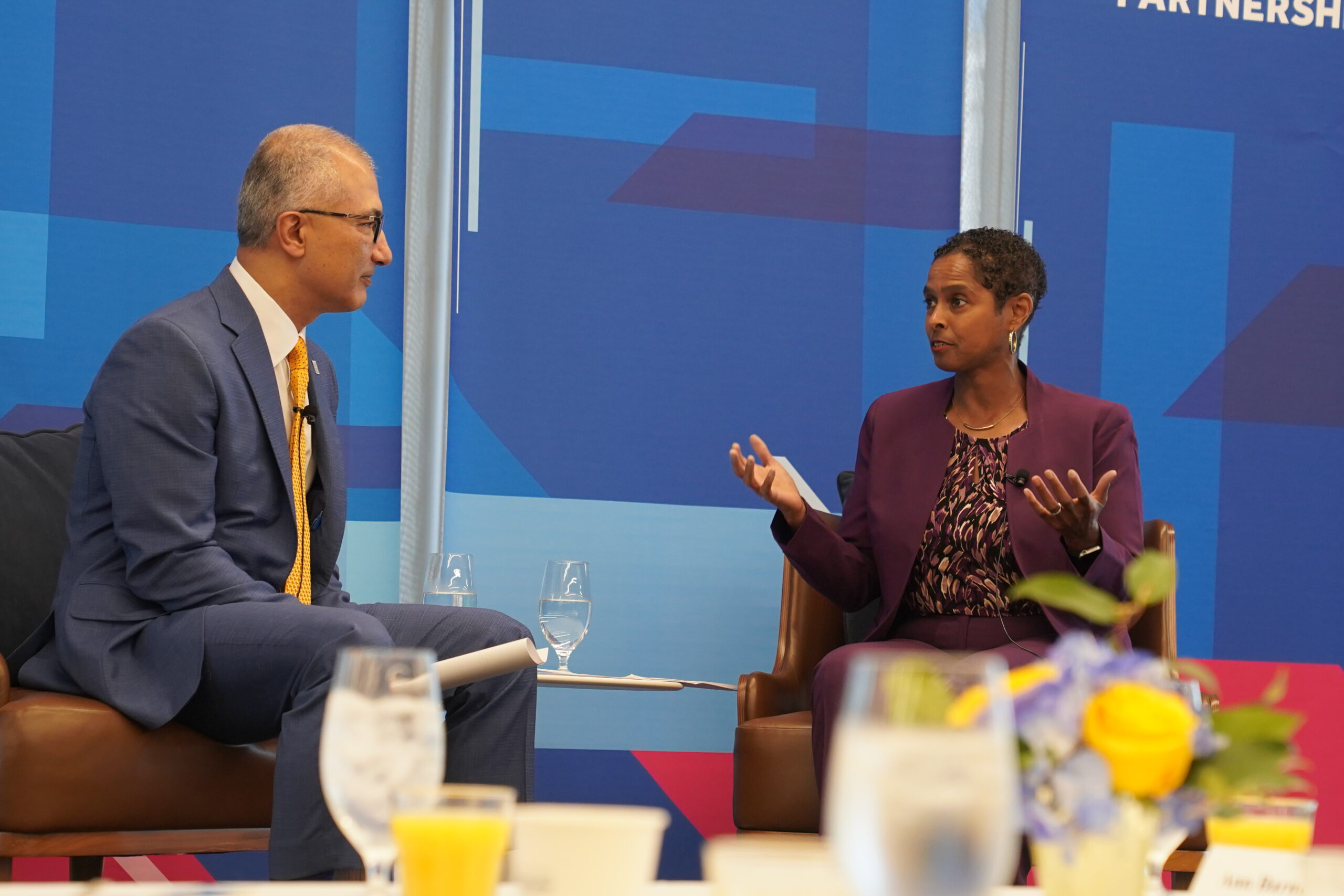
EHF’s Dr. Ann Barnes paints a clear picture of what’s at stake if Medicaid funding is cut and the story about the people who will feel the consequences.

See how the expanding community resource center is redefining health by connecting residents to support that addresses everything from food access to education.

Learn more about this first-of-its-kind effort to bring Medicaid health insurance plans together to address the root causes of health outside the doctor’s office.
EHF’s statewide poll shows that almost two thirds of Texans say they skipped or postponed some form of health care in the past year because of cost, while major health concerns like diabetes and obesity continue to grow.

Proposed federal cuts to Medicaid being considered by Congress could undermine recent health insurance gains in Texas, threatening access to health care for low-income children, families, and seniors.

A new report from EHF’s Shao-Chee Sim and Elena Marks at Rice University’s Baker Institute for Public Policy looks at how federal and state policy on the ACA helped lower the state’s uninsured rate, and what could happen next.

Investments focus on food/nutrition security, maternal health, and diabetes prevention in Texas

With nearly half of Texas households affected by diabetes or prediabetes, the soaring medical costs are straining the state’s budget and families alike. Barnes writes why prevention is key to changing course.

The analysis by Milliman estimates that diabetes-related care costs the program between $6 billion and $8 billion every year.