Articles

EHF wraps up five-year initiative exploring new ways for clinics to get reimbursed for more than direct medical care 

Clinics Pathway Approach helped clinics strengthen the systems needed to pay for what matters most – improved health.

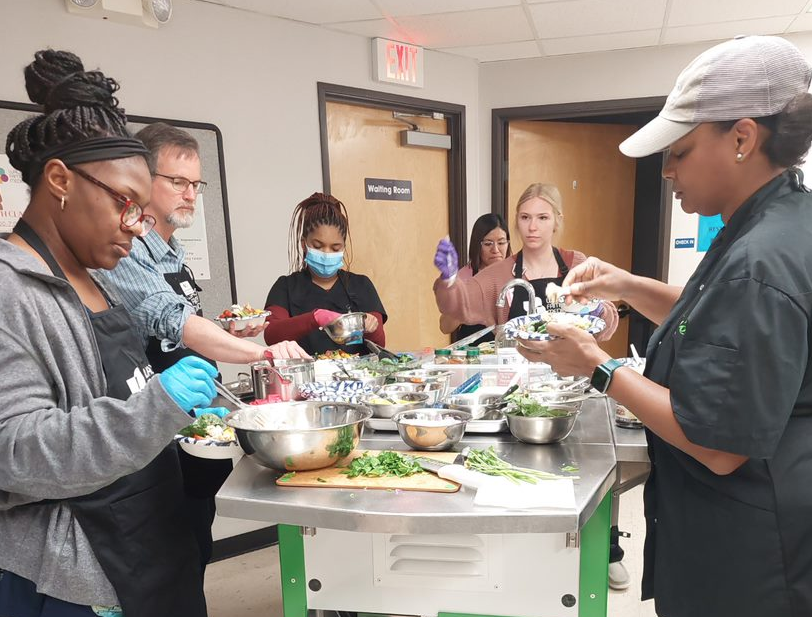
Employees at Waco Family Medicine learn about healthy food options and the importance of addressing non-medical drivers of health.

Better health depends on more than a doctor’s visit. Many Texans face barriers like limited access to healthy food, transportation, community support, and other basic needs that make it harder to stay healthy.  

Five years ago, Episcopal Health Foundation (EHF) launched the Clinics Pathway Approach (CPA) initiative to help federally qualified health centers prepare for a future where clinics can be reimbursed for not only providing direct medical care, but also for addressing non-medical barriers to good health. Over the five years, EHF invested more than $28 million to help 11 participating clinics build the systems needed to prepare for that future. Together, these clinics serve almost 500,000 Texans across the state. 

The goal of the CPA initiative was to help clinics strengthen the clinical, operational, and financial systems needed to deliver more comprehensive care and prepare for new reimbursement approaches that reward better health outcomes, not simply more medical visits. Across the country, Medicaid programs and health insurance companies are increasingly recognizing that addressing non-medical needs can improve health and reduce costs. As they expand reimbursement for services beyond direct medical care, clinics need the systems and infrastructure to succeed in those new payment models. 

The initiative built on EHF’s learnings from Community-Centered Health Homes initiative (CCHH), which helped clinics build partnerships with community organizations that connect patients to healthy food, safe places to exercise, transportation, and other non-medical needs. CPA then focused on what came next: helping clinics build the internal systems needed to get paid for that important work over the long term. 

EHF’s belief was straightforward. By helping clinics build stronger data systems, leadership, and financial infrastructure, they would be better prepared to provide comprehensive care, address patients’ non-medical needs, and demonstrate how the health outcomes were improved. 

That would help clinics qualify for new reimbursement opportunities with insurance companies and managed care organizations to pay for services that improve health, not just treat illness.  

Throughout the five-year initiative, participating clinics worked together to improve data systems, redesign workflows, expand population health strategies, strengthen leadership, and learn from one another. Rather than working in isolation, clinics shared ideas, tested new approaches, and built lasting relationships with their peers that accelerated learning across the entire group. 

Those experiences culminated in CPA’s “Top Ten Learnings,” developed by the clinics themselves. The lessons highlighted the importance of strong leadership, effective change management, teamwork, continuous improvement, and using data to guide decisions. 

An independent evaluation found clear evidence that participating clinics strengthened their organizations over time, demonstrating what can happen when clinics have sustained resources, trusted partners, and opportunities to learn together over multiple years. 

For EHF, those findings represent more than the success of a single initiative. They reinforce the Foundation’s commitment to removing barriers to better health by helping providers address the medical and non-medical needs of the people they serve.  They also highlight philanthropy’s unique role in testing new ideas through multiple initiatives that build on one another, with each investment adding new knowledge and strengthening the work that follows. 

“This initiative showed that removing barriers to better health requires more than good ideas,” Barnes said. “It requires sustained investment, trusted partnerships, and the willingness to build on what we’ve learned. Every step of this work has helped prepare us for the next one, and that’s how lasting systems change happens.” 

While the Clinics Pathway Approach initiative has concluded, the lessons learned through CPA are already informing EHF’s next generation of work. That work builds on years of investments to help clinics, communities, and health care systems remove barriers to better health and find new and different ways of paying for improved health outcomes. 

Participating Clinics