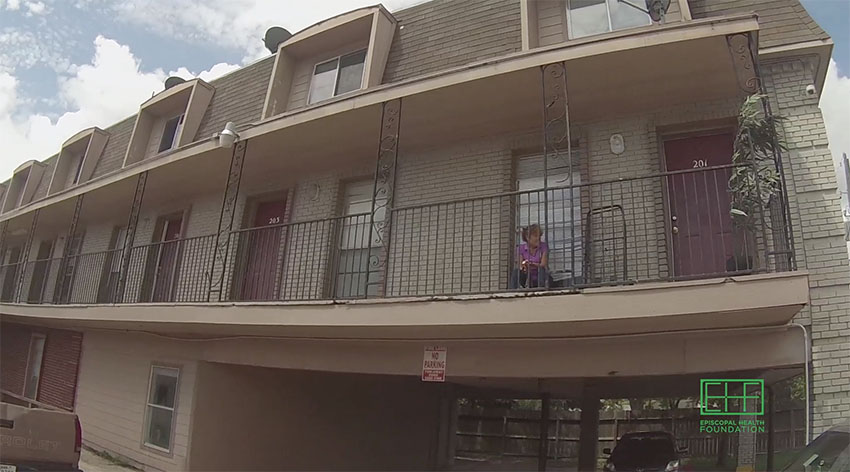
Where you live can determine how long you live. In Texas, the legacy of redlining — a discriminatory practice that denied loans and investments to neighborhoods based on race — still shapes the health and opportunities of entire communities today.
What Was Redlining?
In the 1930s, federal agencies and banks created “residential security maps” that graded neighborhoods from “A” (best) to “D” (hazardous), with “D” areas, — often Black, Latino, or immigrant neighborhoods, — marked in red.
Residents in these redlined zones were systematically denied mortgages, insurance, and investments, locking them out of homeownership and wealth-building. This wasn’t just private discrimination; it was federal policy, reinforced by local governments and real estate agents.
Health Consequences That Endure
The effects were immediate and severe: overcrowded housing, exposure to pollution, and limited access to health care services and healthy food. Chronic stress, economic instability, and environmental hazards led to higher rates of diabetes, hypertension, and respiratory illnesses.
Maternal and infant health outcomes were worse, and life expectancy plummeted. In Houston’s formerly redlined neighborhoods, life expectancy remains 21 years lower than in non-redlined areas. Similar patterns persist in Austin, Fort Worth, Bryan/College Station, and Dallas.
The Data: Diabetes, Maternal Mortality, and Life Expectancy
- Diabetes: Prevalence in previously redlined areas is dramatically higher—18.5% in Houston (vs. 11.3% citywide), 15.2% in Austin (vs. 9.6%), with similar gaps in other cities.
- Maternal Mortality: In Houston’s redlined neighborhoods, the rate is 59 deaths per 100,000 live births, nearly double the city average.
- Life Expectancy: Residents of formerly redlined neighborhoods live 7–11 years less than those in more affluent areas.
Why Does Redlining Still Matter? Although outlawed in 1968, redlining’s effects persist because the economic and social structures it created were never dismantled. Property values remain artificially low, homeownership lags, and disinvestment continues.
Environmental hazards, poor infrastructure, and underfunded schools are common in these neighborhoods. The stigma attached to previously redlined areas makes them targets for undesirable projects and limits opportunities for residents.
The Bottom Line
Redlining’s legacy is not just history. It’s a present-day driver of health inequity. Addressing these disparities requires targeted investments, policy change, and genuine community engagement to ensure all Texans have a fair shot at health and opportunity.