More than 700,000 fewer Texans are receiving SNAP benefits than in July 2025, including almost 139,000 in Harris County alone. More than half of those no longer receiving benefits are children.
A new Houston television news report examines what these numbers mean for Texas families, featuring data shared by EHF and the statewide Call to Feed the Hungry effort to protect access to food assistance.
The KPRC2 / Click2Houston story features Harris County resident Monica Cabrera, who lost her job and turned to SNAP to help feed her son while searching for work. After finding temporary contract work, she lost about $507 a month in benefits when her income increased. Cabrera said she sometimes skipped meals to make sure her son had enough to eat.
Her experience shows how quickly families can lose access to nutrition benefits, even while working to improve their financial situation.
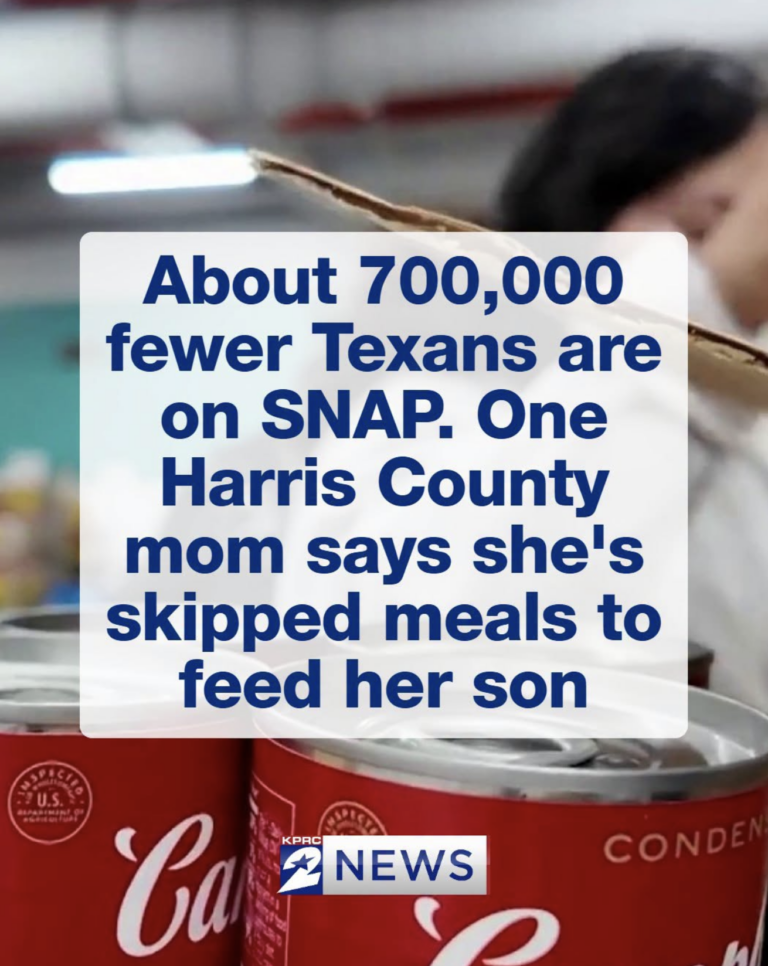
EHF data shows the decline in SNAP participation
EHF shared state enrollment data with KPRC2 showing that SNAP participation in Harris County fell by more than 20% between July 2025 and September 2026. That includes 73,550 children who are no longer receiving benefits.
The decline comes as federal policy changes are tightening SNAP eligibility, including new work requirements and restrictions affecting some immigrants. EHF also pointed to application processing delays and concerns about immigration enforcement as possible factors keeping eligible families from receiving benefits.
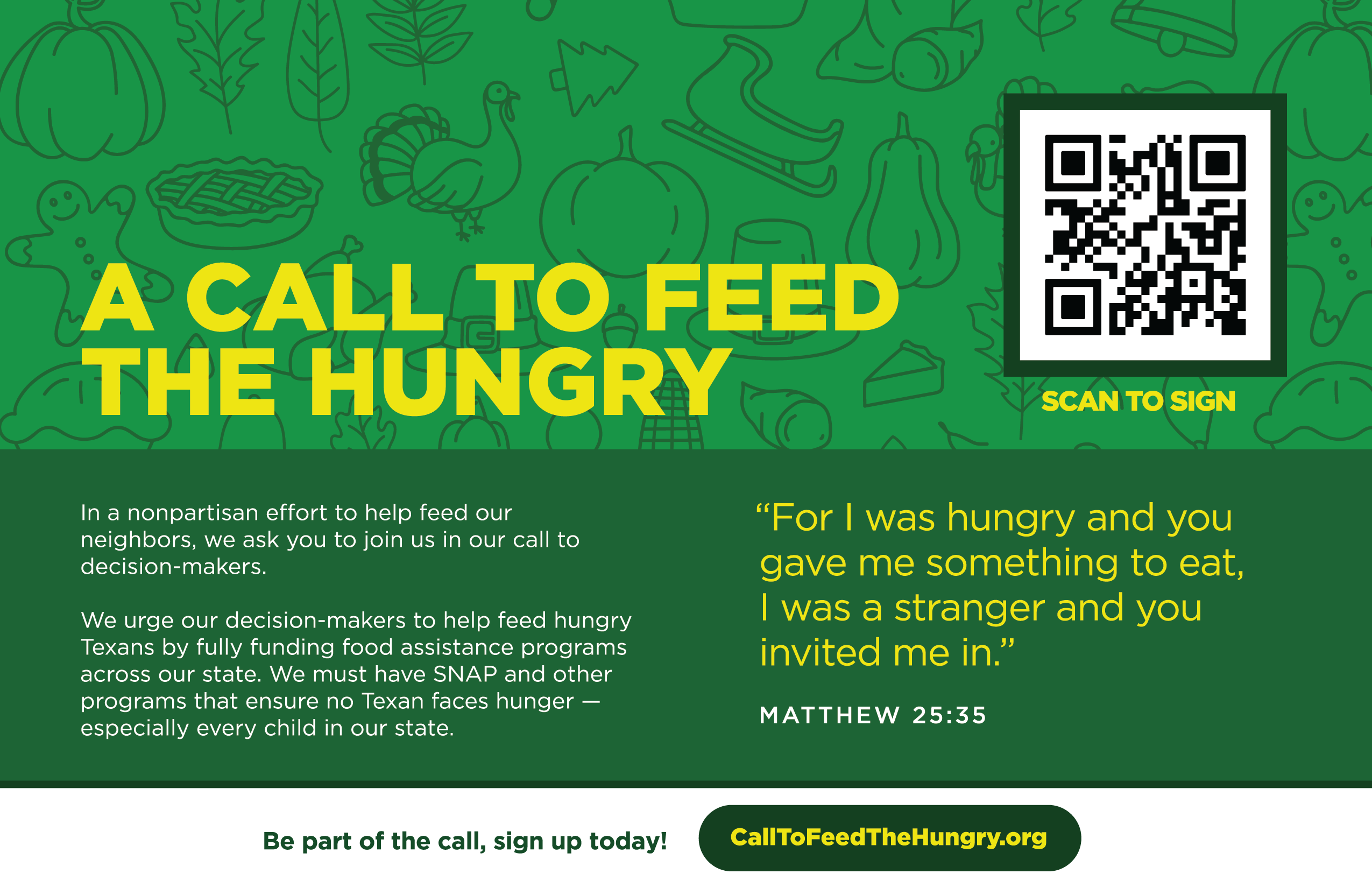
Call to Feed the Hungry urges Texas leaders to protect SNAP
EHF is a key partner in the statewide Call to Feed the Hungry effort, which is working to bring together 20,000 Texans to urge state lawmakers to protect access to SNAP and fully fund the program.
The effort comes as federal changes could shift additional SNAP costs to Texas. EHF estimates the state could face $800 million to $1 billion in annual costs to maintain the program.
90% of food assistance to families in Texas comes through SNAP. Nonprofits, churches, food banks, and other organizations provide the other 10%.
Access to healthy food is essential to good health. Protecting SNAP helps families afford nutritious meals, manage chronic conditions, and avoid having to choose between groceries and other basic needs.