
In the long run, the answer to better health is investing in health, not just health care
We must advance ways to work further upstream to prevent a health crisis from happening in the first place and building resiliency for when it does come.
We must advance ways to work further upstream to prevent a health crisis from happening in the first place and building resiliency for when it does come.

How could efforts to address the non-medical, underlying causes of poor health like unsafe neighborhoods, access to healthy eating, and affordable health care have helped battle #COVID19 before it hit us?

EHF is currently developing a COVID-19 response plan that takes a strategic, long-term approach. While we don’t know what’s coming next in this crisis, we do know that there’s going to be a long road ahead.
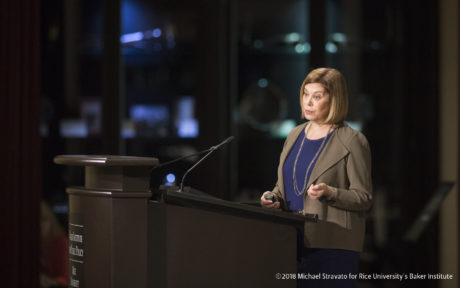
In just five years of full operation, EHF has become a leading advocate for improving health by reshaping the health care conversation to focus on addressing the non-medical, root causes of poor health.
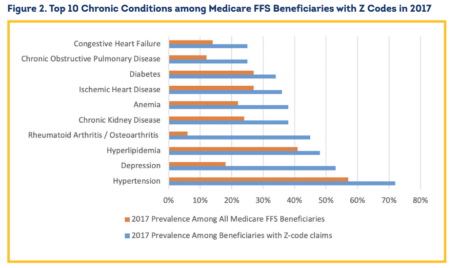
For the first time, Medicare has released a report looking at how non-medical, unmet social needs affect the health of patients.
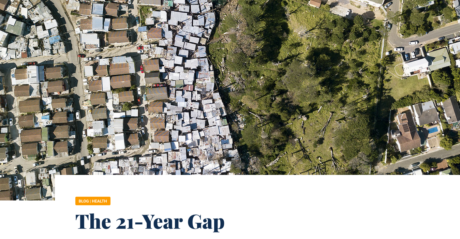
From the Understanding Houston blog, EHF’s Robiel Abraha writes about the “The 21-Year-Gap” — highlighting our latest research showing why non-medical factors where we live have a dramatic impact on our health.
In a Houston Chronicle op-ed, EHF CEO Elena Marks writes that when it comes to the presidential debates on health care, it’s not enough to talk about the health care system without a focus on actually improving HEALTH.
At no cost to taxpayers, EHF is spearheading a research project in Harrison County that will take a closer look at the relationship of how the county spends funds and the health of those who live here. This project is one example of how we all need to change the conversation to improving health, not just healthcare across Texas.