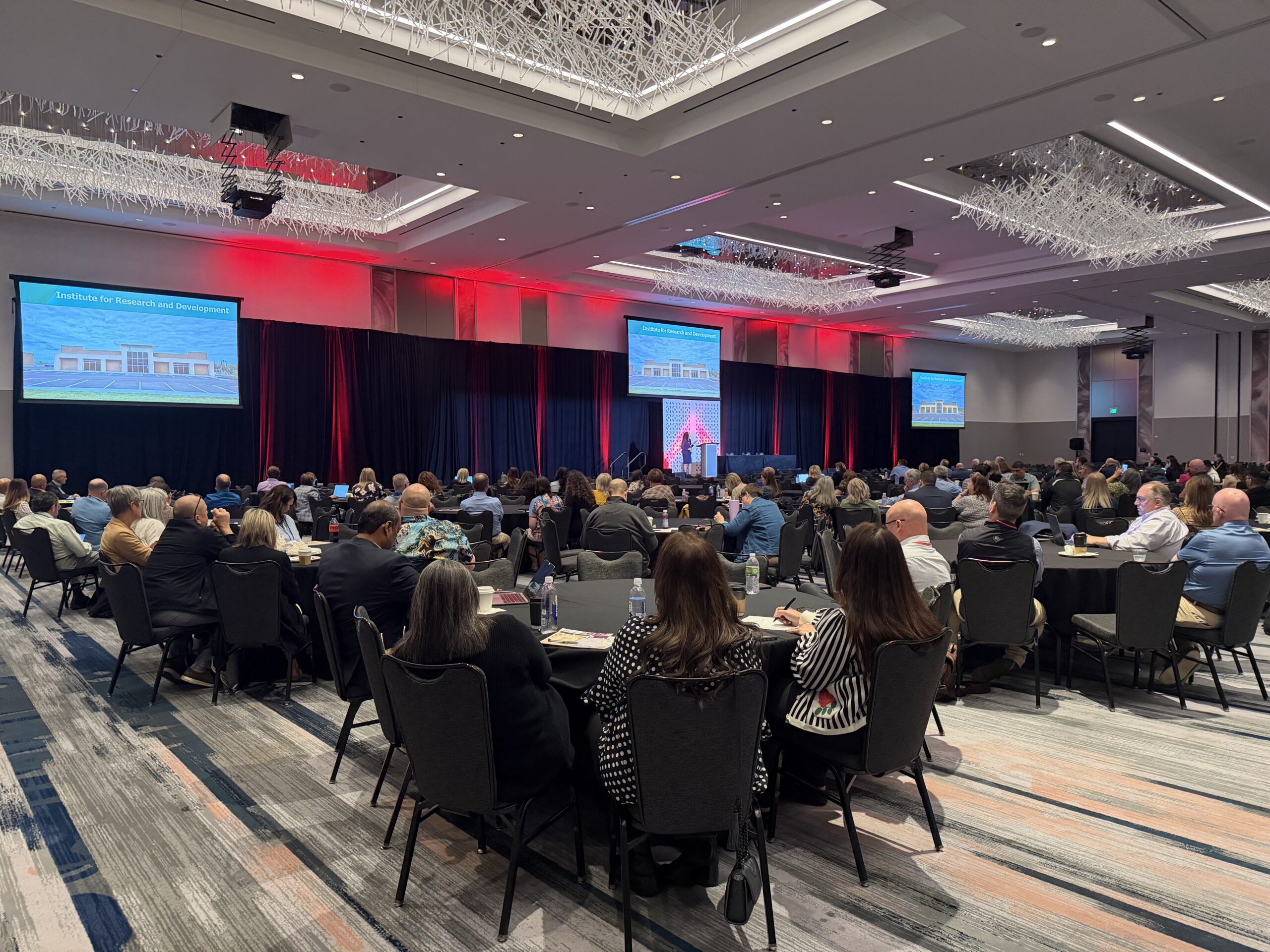
Rural health in Texas is at a turning point.
At the Texas Organization of Rural & Community Hospitals’ Rural Hospital Innovation Summit in Arlington, EHF’s Shao-Chee Sim opened the conversation by recognizing EHF’s long-standing partnership with TORCH and a shared commitment to strengthening health across rural communities.
The summit comes at a critical moment. New opportunities through HB 18, a major state investment focused on rural hospital innovation and long-term sustainability, combined with the federal Rural Health Transformation Fund, are creating real momentum for change. Together, these investments give rural communities the chance to rethink how health is delivered and sustained.
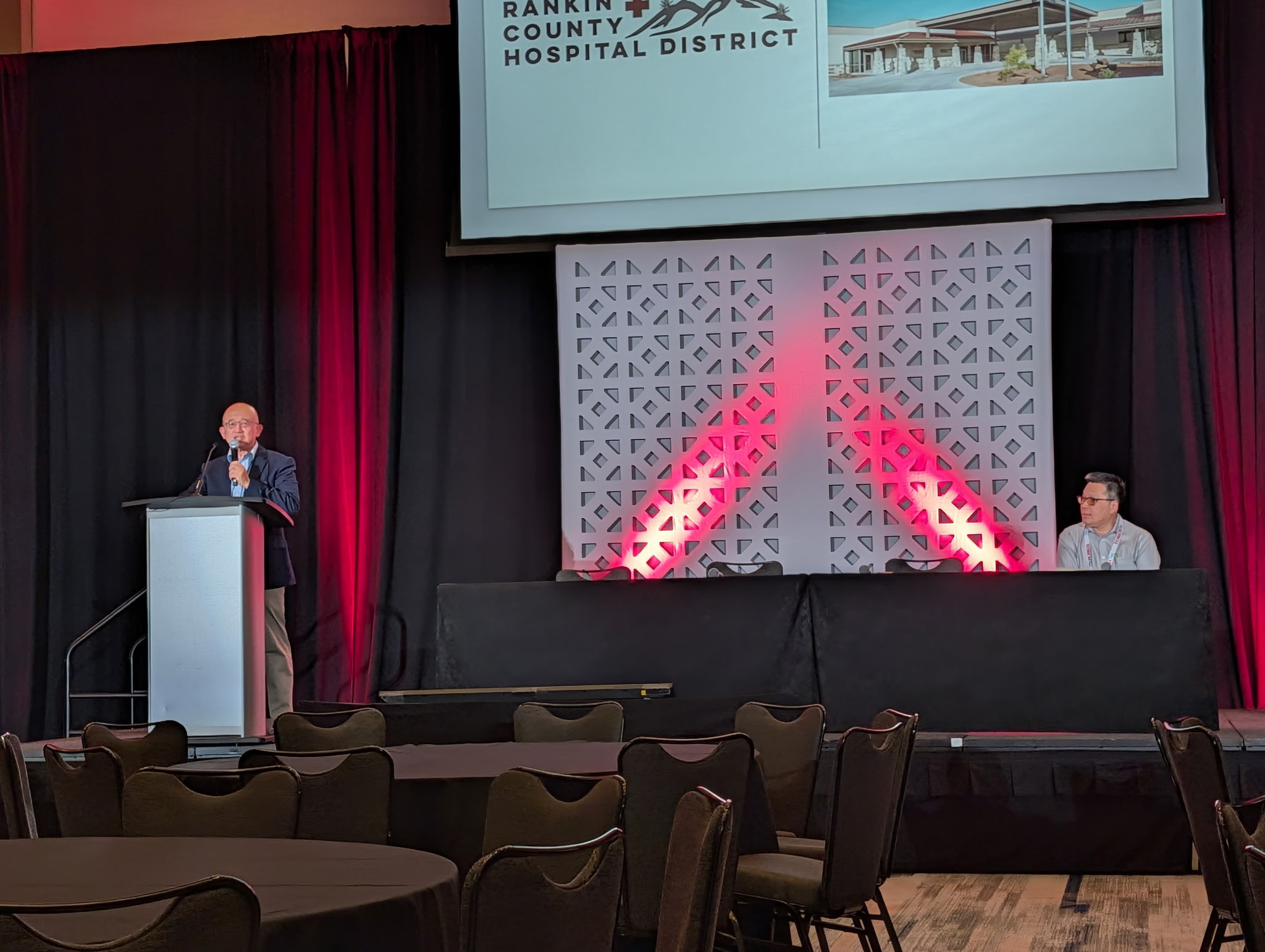
Sim outlined what it will take to turn that opportunity into lasting progress. That includes deeper community engagement, stronger cross-sector partnerships, and a clear focus on the drivers of health, including chronic disease prevention, maternal health, and access to primary care. He also emphasized the growing role of community health workers in helping people navigate care and connect to the services they need.
EHF also highlighted recent policy changes that are expanding what is possible in rural health. In Texas, certain services that address non-medical drivers of health are now eligible for Medicaid reimbursement. This includes services provided by community health workers, diabetes prevention programs, and expanded nutrition services, including food is medicine approaches.
These are practical tools that rural hospitals and health providers can use to build more sustainable strategies, ones that address the root causes of health challenges, not just the symptoms.
EHF’s work in rural communities reflects its broader approach to improving health across Texas by strengthening systems, supporting innovation in how care is financed, and promoting collaboration across sectors.
With new funding, new policy pathways, and growing collaboration, rural Texas has a window of opportunity. The focus now is on turning that momentum into lasting change that improves health, not just health care, for rural communities across the state.